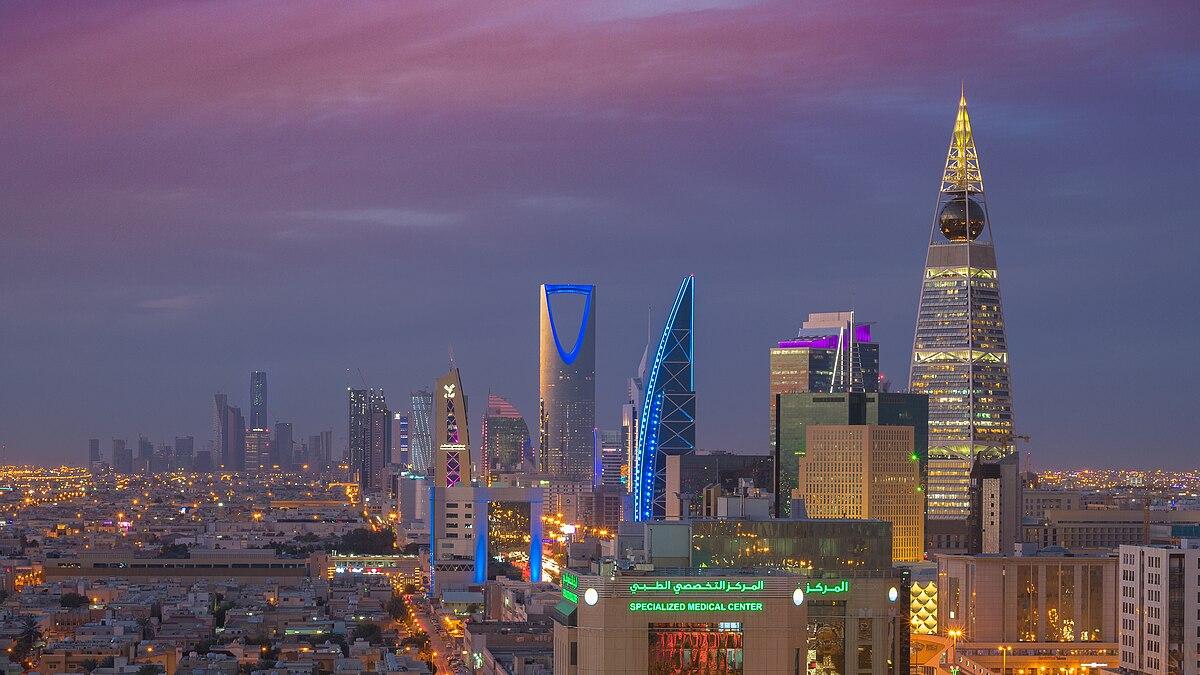
Best business hotels in Riyadh
Find and book corporate hotels across Riyadh's key financial and business districts
Discover business hotspots in Riyadh
Why Business Travelers Visit Riyadh
Riyadh has emerged as the fastest-growing business hub in the Middle East, ranking as the fifth most-booked corporate destination in 2025. The city attracts business travelers for its concentration of multinational regional headquarters, infrastructure investments, and emerging technology sectors. More than 660 multinational companies including Morgan Stanley, Bechtel, PepsiCo, PwC, and Deloitte have established regional headquarters in the Saudi capital, surpassing Vision 2030 targets ahead of schedule. Key sectors driving corporate travel include finance, technology, AI and innovation, real estate development, and energy. Major business events like the Global AI Show Riyadh 2026, Global Blockchain Show Riyadh 2026, and Global Games Show Riyadh 2026 draw thousands of corporate delegates annually. The city's infrastructure expansion, including the newly inaugurated Riyadh Metro system, supports growing business activity and corporate relocation.
Best Business Hotels in Riyadh, Saudi Arabia
Riyadh offers several hotel options catering to corporate travelers. The Four Seasons Riyadh provides luxury accommodations with premium business facilities, meeting spaces, and proximity to KAFD. The St. Regis Riyadh delivers high-end service with dedicated executive floors and conference centers suitable for corporate events. The Sofitel Riyadh Old Town offers modern amenities and strategic positioning between downtown and business districts. The Hilton Riyadh offers reliable 4-star service with business centers and conference facilities. The Novotel Riyadh features contemporary design with efficient layouts and conference spaces at competitive rates. InterContinental Riyadh provides full-service accommodations with multiple dining venues, business lounges, and direct access to business districts. Most hotels offer workspace, meeting rooms, and express check-in designed for corporate travelers on tight schedules.
What Makes a Good Business Hotel in Riyadh
Business travelers in Riyadh prioritize location, connectivity, and facilities that support productivity during their stay.
Close to Offices and Meetings
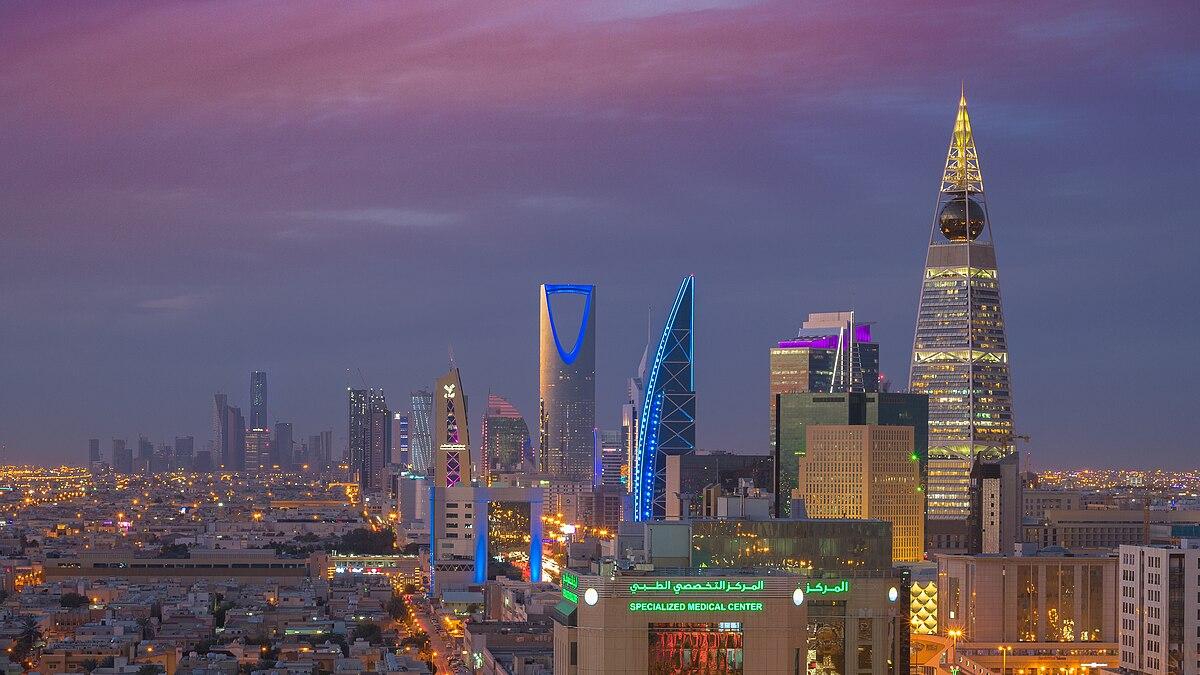
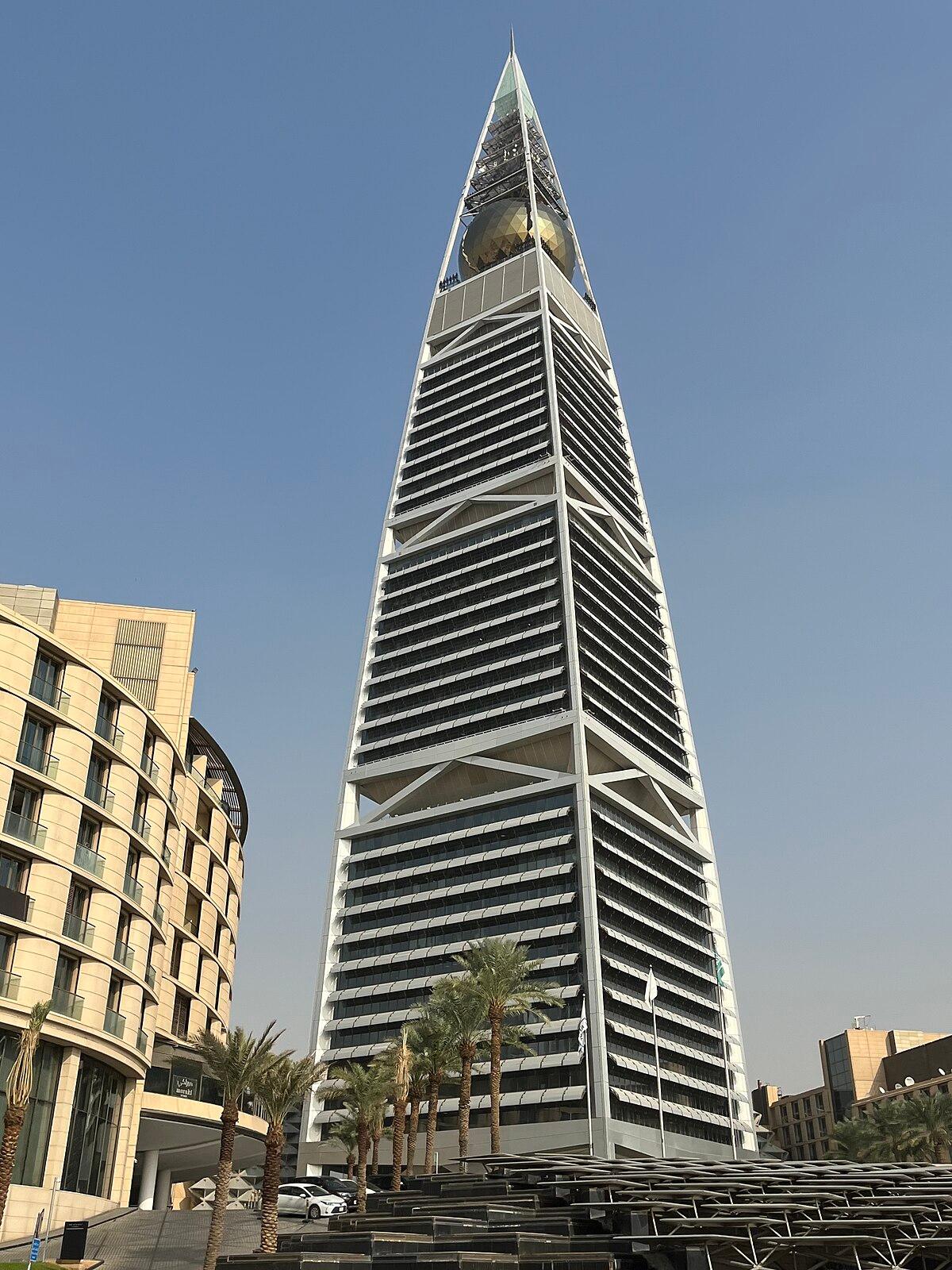
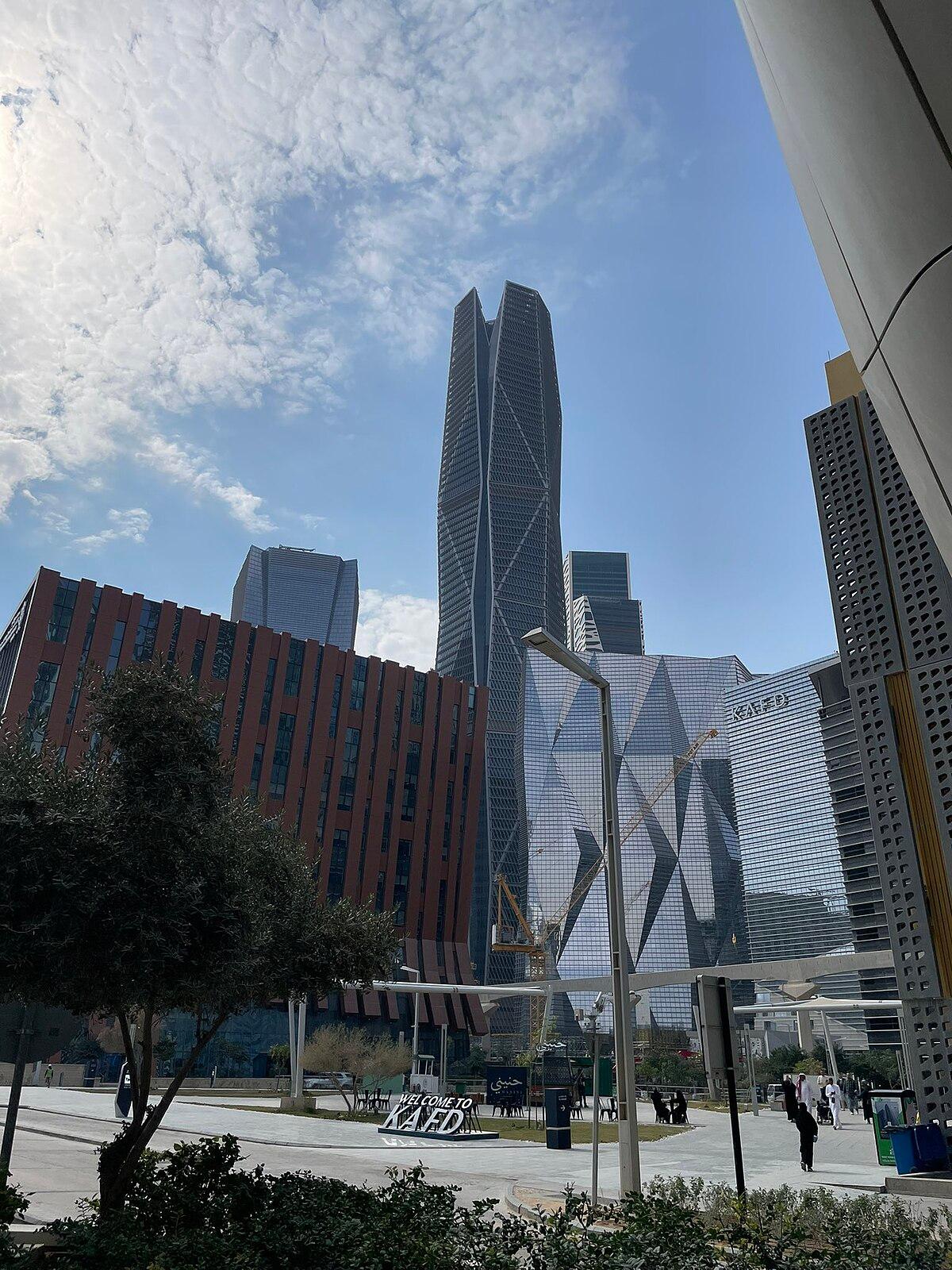
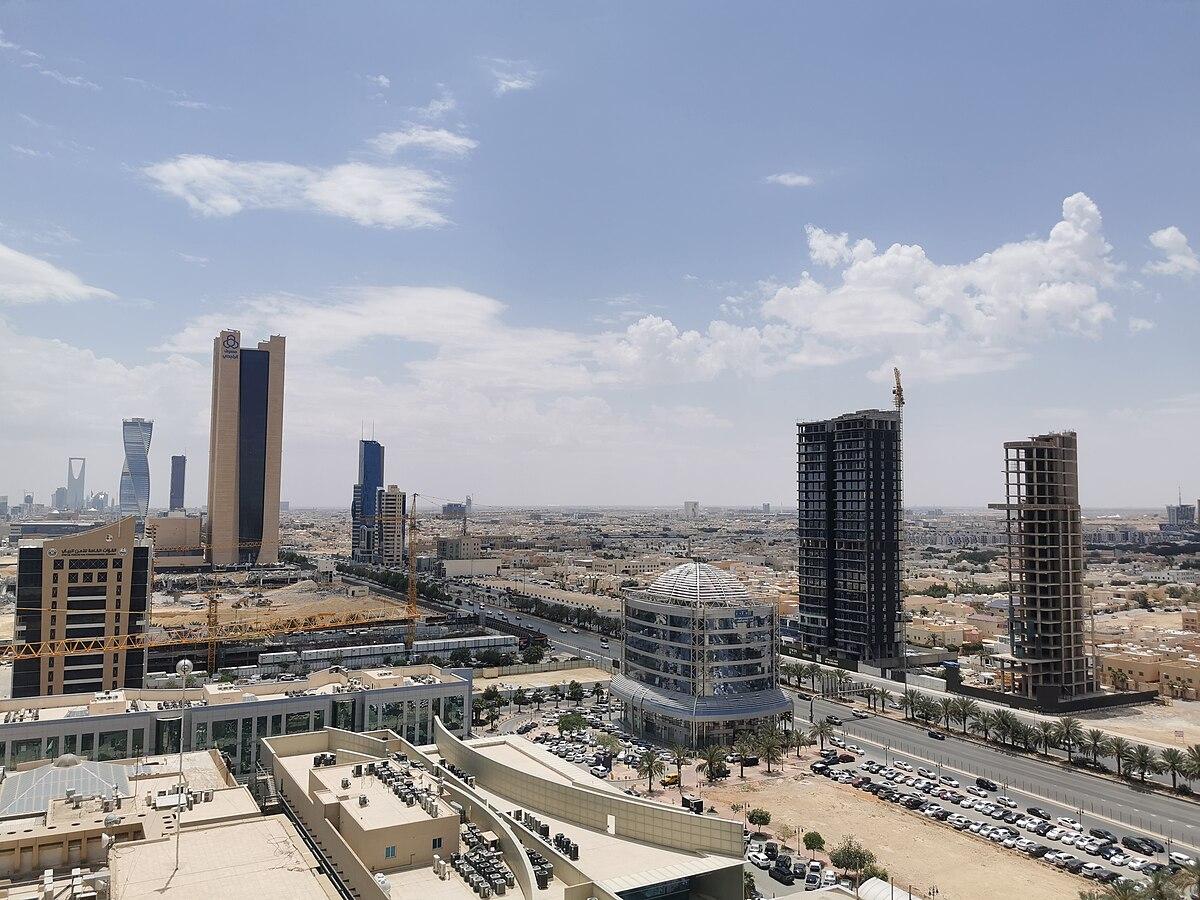
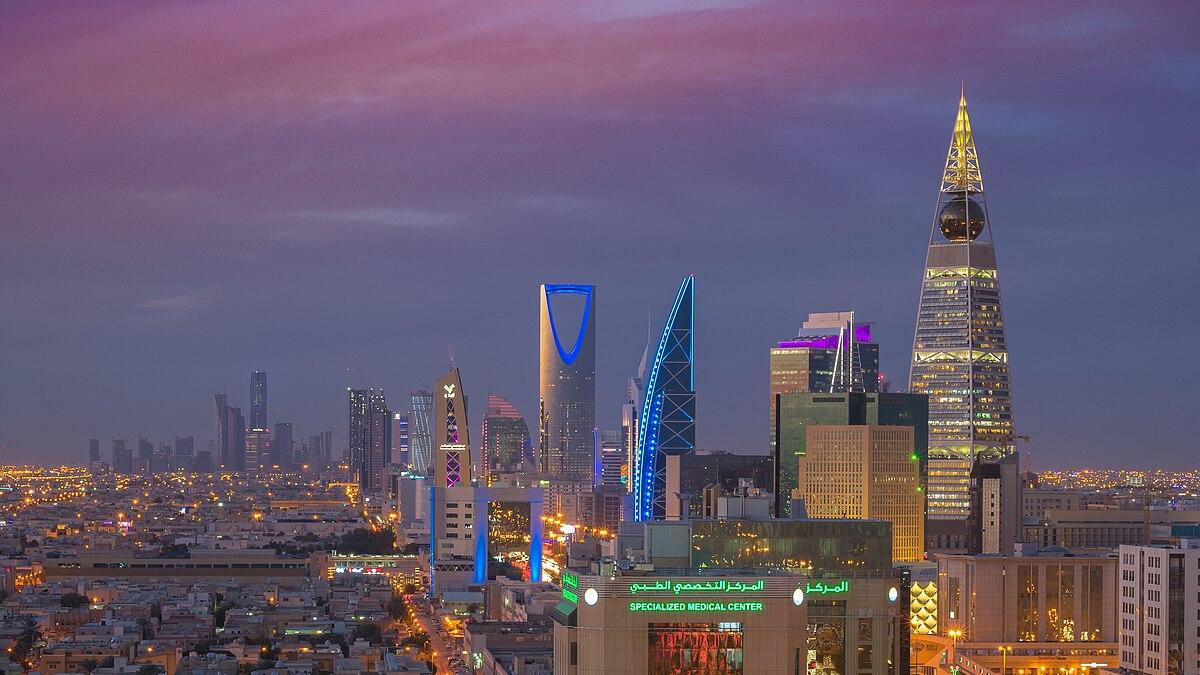
Proximity to Riyadh's main business districts is critical for minimizing travel time. King Abdullah Financial District (KAFD) hosts over 140 office tenants and 75 regional headquarters, making it the city's primary corporate hub. The Al Olaya district, anchored by Kingdom Centre and Al Faisaliah Tower, serves as a secondary business area. The Diplomatic Quarter provides a credible address for international operations and government-facing business. Hotels within or directly accessible to these districts reduce commute times and allow employees to attend multiple meetings daily.
Work-Friendly Amenities
Corporate travelers require dedicated workspace and connectivity tools. High-speed internet, business centers with printing and copying services, and quiet work areas are essential. Meeting rooms equipped with video conferencing capabilities support remote collaboration. Executive lounge access provides quiet spaces for calls and documentation review. Some hotels offer flexible work packages for extended stays, including discounted rates on consecutive bookings and corporate account arrangements.
Easy Airport and City Access
King Khalid International Airport sits approximately 35 kilometers north of Riyadh's business districts, requiring 30-45 minutes of travel depending on traffic. The newly operational Riyadh Metro system—opened in November 2024 and recognized by Guinness World Records as the longest fully automated driverless metro network globally—offers an alternative to car-based travel. The network spans 176 kilometers across six lines with 85 stations. KAFD metro station provides direct access to the financial district. Hotels near metro stations or with reliable car service improve airport connectivity and reduce ground transportation costs.
Riyadh Quick Facts for Business Travelers
A rapidly modernizing capital with significant multinational corporate presence, emerging technology sectors, and new metro infrastructure.
- Main airport: King Khalid International Airport (RUH), approximately 35 kilometers north; 30–45 minutes by car or metro
- Business districts: King Abdullah Financial District (KAFD), Al Olaya, Al Malaz, Diplomatic Quarter, Al Aqeeq
- Getting around: Riyadh Metro system (6 automated lines, 85 stations, 176 km network opened 2024), car rental, ride-hailing services (Uber, Careem), taxis
- Best known for: Financial services, technology and innovation, real estate development, energy sector, emerging AI and gaming industries
- Typical hotel types: Luxury 5-star properties, upper-midscale 4-star business hotels, contemporary 3-star options, extended-stay properties
Is Riyadh a Good City for Business Travel?
Riyadh is an excellent choice for corporate travel, particularly for companies establishing regional operations or attending major business events. The rapid concentration of multinational headquarters, expanding conference infrastructure, and improving transportation networks make it a viable alternative to established Gulf business hubs. Hotel capacity constraints—though improving with 6,700 rooms currently under construction—previously limited availability, but new developments address this gap. The Riyadh Metro significantly reduces airport transfer friction, supporting more efficient business travel workflows. Travelers should plan accommodation in advance during major events or peak business seasons, as demand remains high despite growing supply.
FAQs About Business Hotels in Riyadh, Saudi Arabia
What is the closest business hotel to King Khalid Airport? Several properties operate near the airport, including Novotel Riyadh Airport and InterContinental Riyadh. However, most corporate travelers prefer hotels in central business districts like KAFD or Al Olaya, which are 30-45 minutes away but offer better proximity to corporate offices and meeting venues.
Do Riyadh business hotels offer meeting and conference facilities? Yes, all major business hotels provide dedicated conference centers, breakout meeting rooms, video conferencing equipment, and event planning services. Many properties cater to the growing MICE (meetings, incentives, conferences, events) segment.
How far is KAFD from the airport? King Abdullah Financial District is approximately 22 kilometers from King Khalid International Airport, requiring roughly 30-40 minutes by car or metro transfer.
Can I use the Riyadh Metro to reach business districts? Yes, the metro system serves major business areas including KAFD via dedicated stations. The metro provides a cost-effective alternative to car services, though travelers with extensive meeting schedules often prefer car flexibility.
What is the best time of year to visit Riyadh for business? October through April offers cooler temperatures ideal for business travel. May through September heat makes outdoor business activities challenging. Major business events like the Saudi Travel Market (typically May) and innovation conferences draw significant corporate attendance.